


Pathologic 3 solves all the issues of its predecessor, but at what cost?
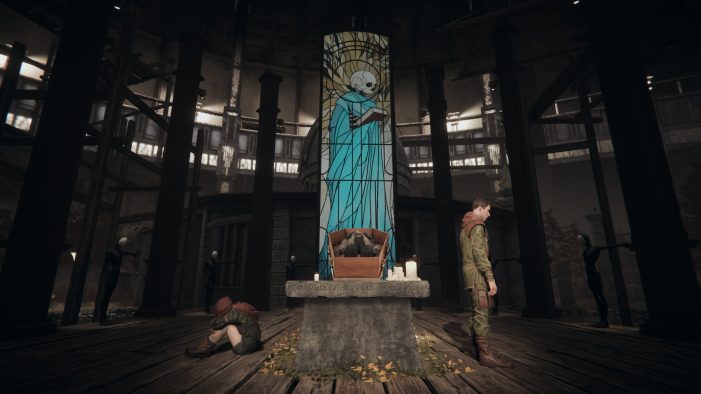
The fact that Pathologic 3 even exists is a small, maggot-infested miracle. For one, there are not many games about curing a plague in a tiny town in the middle of the steppe, a town overflowing with butchers and philosophers where magic realism meets absurdist theatre. The more complicated reason requires a bit of an explanation. Sorry about that. If you can’t stomach a dry intro, you probably won’t like this obtuse game about a plague. Call it a test. Triage.
The original Pathologic from 2005 is a janky Russian game about three healers arriving to fight a plague in the nameless Town. They are: the Bachelor, the Haruspex, and the Changeling. One is a man of science, one is a medicine man, and one claims to have faith-based healing powers. It’s a “three campaigns” kind of situation, where each protagonist views common events differently, is privy to exclusive information, and perhaps…has a different framework for interpreting reality. Pathologic is the quintessential “best game you’ve never played”. Rock Paper Shotgun gave it a “6/10 review which nevertheless left anyone with a soul desperate to play the thing” and it inspired what’s probably the best piece of analysis to be published on their site (In Three Parts). A game is only as good as the think pieces it can inspire, right?
The unfortunately named “Pathologic 2” from 2019 is an expanded remake of one of the three stories from the original: the Haruspex. While the game is a fascinating creature in its own right, the problem is obvious: where are the other two parts?
For a while, developer Ice-Pick Lodge seemed to be on the brink of ruin. They even moved their entire studio to Kazakhstan. I guess that got them closer to their beloved steppe, huh. But the will to complete their vision was still burning even as the years passed. So here we are at last: Pathologic 3. The even more unfortunately named Pathologic 3 adds a second third to this triptych: the story of the Bachelor.
So yes, the existence of Pathologic 3 is to be celebrated, if for no other reason that it’s one of those big foolhardy projects that you think is dead, but what the heck, it actually gets released. It’s as if that cool indie band you used to listen to is getting back together. We all like hearing those kinds of news, no?
Ok, so that’s the introduction out of the way. With that in mind, you’d think the game would be a bare-minimum viable product. Considering the circumstances, you’d almost forgive the developers for phoning it in. Which is why it is entirely surprising that Pathologic 3 does not retain a single gameplay mechanic from its predecessor.
Pathologic 2 was a relatively normal survival sim: deal with hunger and thirst, loot stuff…and have an existential conversation every five minutes. The usual. The Haruspex is a fugitive with little support, living out of an abandoned factory, so these mechanics make sense in this context.
However, the protagonist of Pathologic 3 is the Bachelor: a famous big-city doctor “living the life of the mind”, the director of a laboratory whose aim is to eliminate death. Someone like that isn’t supposed to run around punching drunks in the streets for a handful of nuts. The Bachelor gets to live in the nicest house in the Town. His roommate is an airy blonde with whom he instantly develops an ambiguously romantic relationship. Now that’s more like it.
I’ll never say enough times that the mechanics of a game should reflect its theme. The mechanics should make you feel what your character is feeling. The developers of Pathologic understand this.
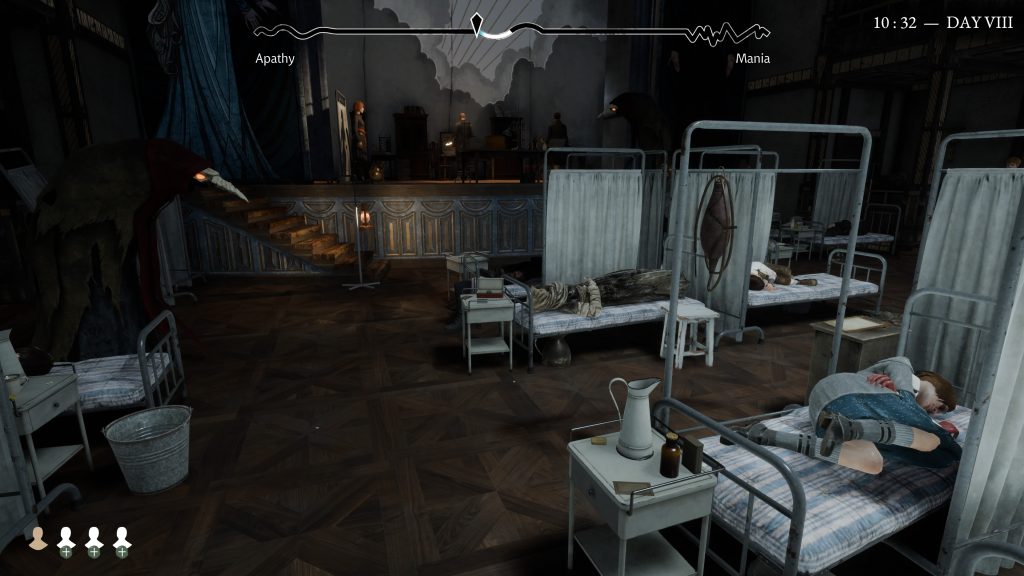
Early on, the Bachelor gets his own hospital and, as the player, your role is to diagnose patients correctly. He also gets put in charge of the Town’s Emergency Command, so you basically run the town through a minigame. Also, like any good intellectual worth his salt, the Bachelor travels through time. Uhh, more on that later.
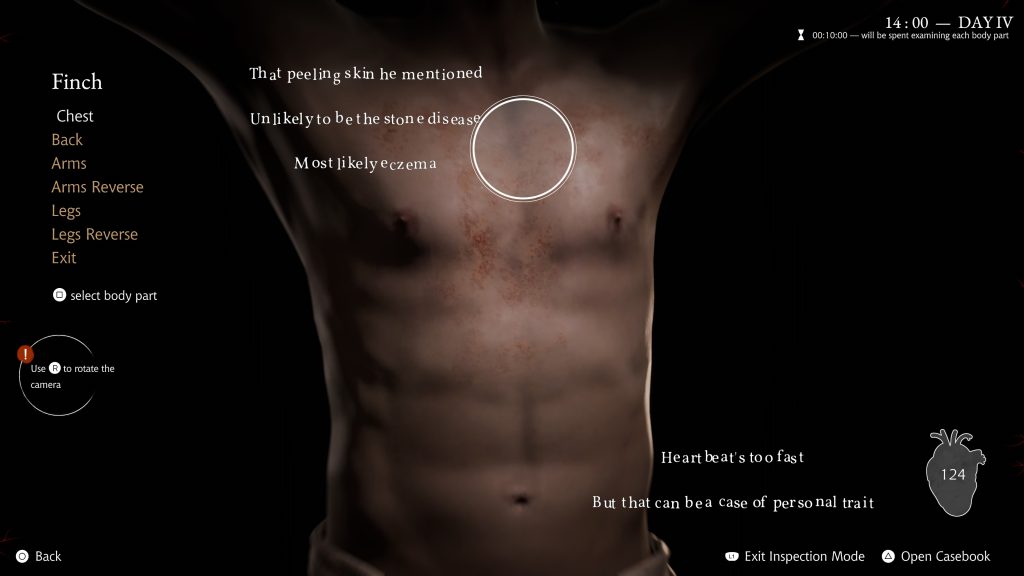
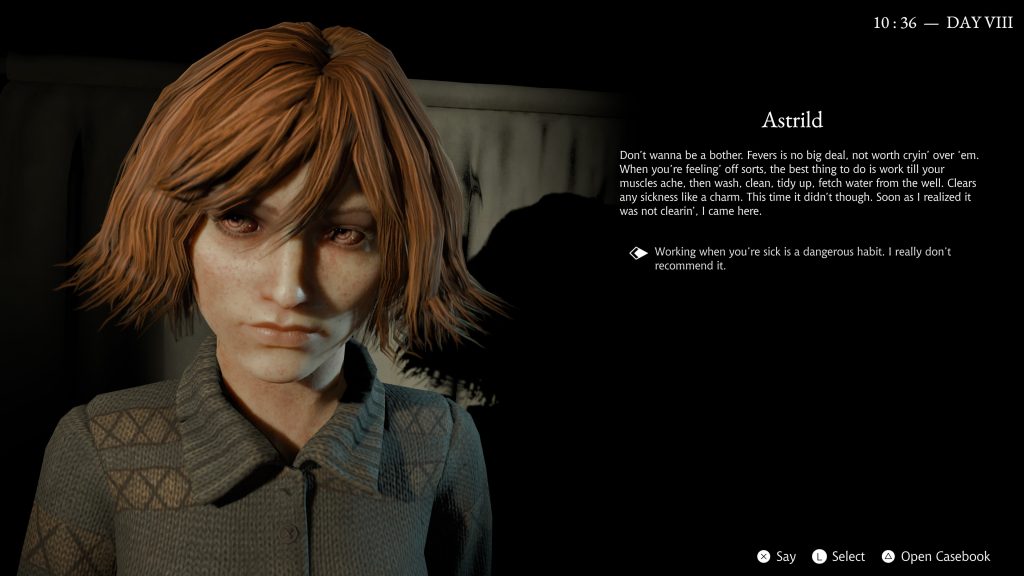
Diagnosing patients is probably the most interesting mechanic the game has to offer. You see, the Sand Plague is swift and incurable, but if the patient has another concomitant illness, it slows down its progress in a phenomenon known in the medical field as Three Stooges Syndrome. Find out which disease corresponds to which symptoms, and voilà! But it’s not so simple. Patients lie, speak another language, or have an overbearing mom talking for them (the worst patients are those too “tough” to be sick). You have to cross-reference what the patient is telling you with their physical examination. Some symptoms might not be relevant. You may need to examine slides in the microscope to rule out some diagnoses. Even the patient’s portrait during dialogue is a clue. Once in a while, you need to go to the patient’s house for more info. It’s the Slavic Dr. House simulator you never knew you needed. It’s a relatively simple minigame that’s elevated by the number of situations and curveballs thrown at you. Dehumanizing the patients would also have been very easy, but the writing ensures that each one feels like a real person.
The town management mechanic has you choose decrees in order to balance out reducing contagion while minimizing the public disorder your measures cause. In other words, the Bachelor has direct control over contagion and riots in town. The Bachelor can change the lay of the land, but his predecessor the Haruspex had to endure the situation. All your favorites from the COVID era are here: social distancing, disinfecting lamps, quarantine, curfews, experimental vaccines, awareness campaigns, etc. All you need to flatten the curve. You “learn” those decrees by completing various quests, almost like collecting trading cards. The vaccines are your most powerful measures and those are obtained by correctly diagnosing patients daily, so the mechanics tie into each other. Story-wise, the Bachelor keeps accusing the authorities in town of incompetence, but once he’s the one in charge and that every single one of his orders creates unintended consequences or is misinterpreted, he suddenly develops a sense of empathy.
As for the other mechanics, Pathologic 3 is a magnificent case study. They should learn about it in video game design school. Let me explain.
Its predecessor Pathologic 2 was a difficult, uncompromising game. One of the main ways around that difficulty was to save scum, i.e., saving and reloading in order to get the optimal result every time you encounter a risky situation.
Now I don’t think putting the player in a position to save scum is good design. It breaks flow. More specifically for Pathologic, it takes apart the feeling that your character is just as mortal as the people he’s trying to cure. It also makes the player rely on a mechanic that exists outside of the game world. Instead of using a bandage, you travel back in time to avoid every blow. Time travel, eh? That’s a thought… Anyway, a good game should prevent save scumming or, even better, change its design so that save scumming is neither necessary nor desirable.
Well, Pathologic 3 has got you covered. Your complaints have been heard! Changes have been made! Heck, Pathologic 3 does away with manual saves entirely!
Every single troublesome element about the previous game is now gone…and has been replaced with brand new ways to make the player miserable. Ice-pick Lodge, you’ve outdone yourselves! Pathologic 3 is like an evil genie, a monkey’s paw that will solve all your issues with its predecessor…for a price. Here’s what I mean:
One. In Pathologic 2, actually having your character catch the Sand Plague was an enormous setback. You now have a new patient: yourself. Everything becomes harder since your health constantly deteriorates. If you use one of the vanishingly small amounts of cures on yourself, well, you’d better not catch the plague a second time after that, ha!
Would you like the player character to be immune to the Sand Plague?
Wish granted.
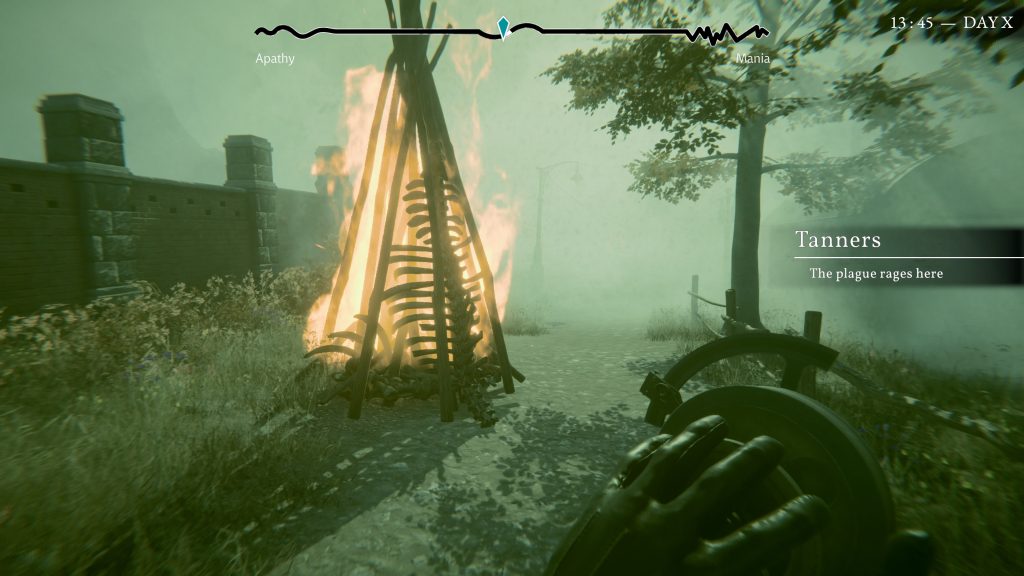
The Bachelor is too important to catch the plague. The game literally states as much. Instead, when in an infected district, the Bachelor is chased by Shabnak-adyr, she-golem of clay and bone, avatar of the Sand Plague. You’re welcome. It’s a weird choice. Being chased by a big invincible bogeyman is nothing special in a video game. Disease is a much more interesting and much rarer kind of horror. In Pathologic 2, being coughed on by an infected person while walking down the street can spell your doom hours later. Once you’ve caught the plague, you’re done for, but it’s a slow killer. The evil is inside of you, part of you. That element of tension is now gone. Oh well, at least they went with something different and there are hidden nuances to this cat-and-mouse chase through the infected districts.
Two. In Pathologic 2, going from place to place takes a lot of time.
Would you like to make travel more efficient?
Wish granted.
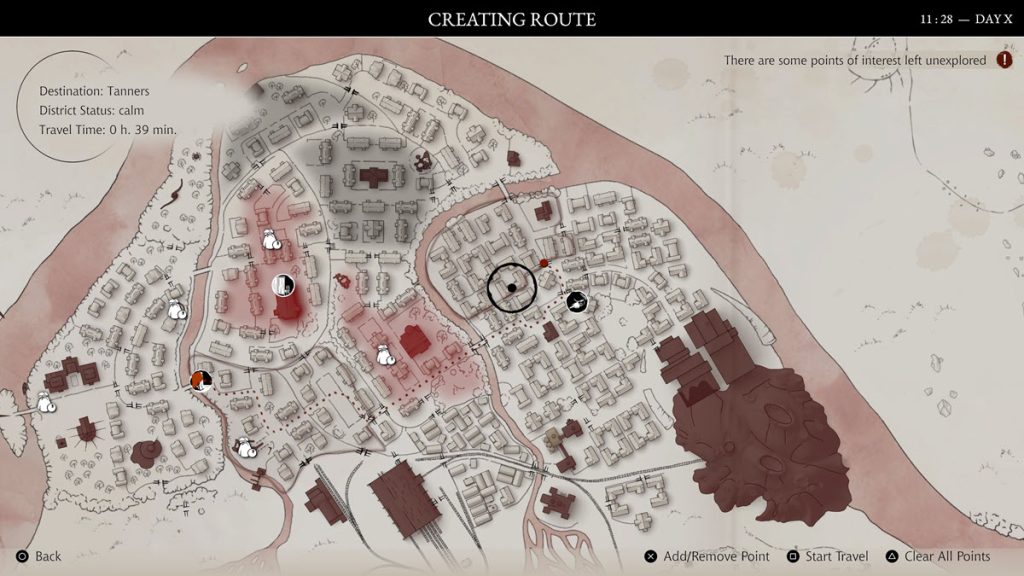
You can now fast travel through safe districts. On the other hand…every district of the Town is now a completely separate level, which pretty much kills the sense of place the Town had. For example, you can’t just go for a stroll into the steppe, taking the long way around to avoid dangerous districts. The safety of the steppe’s infinite emptiness was a stark contrast with the Town, which is crowded, comparatively microscopic in size and yet is where the important events take place.
Three. Managing your needs was too difficult in Pathologic 2? Would you like something simpler?
Wish granted.
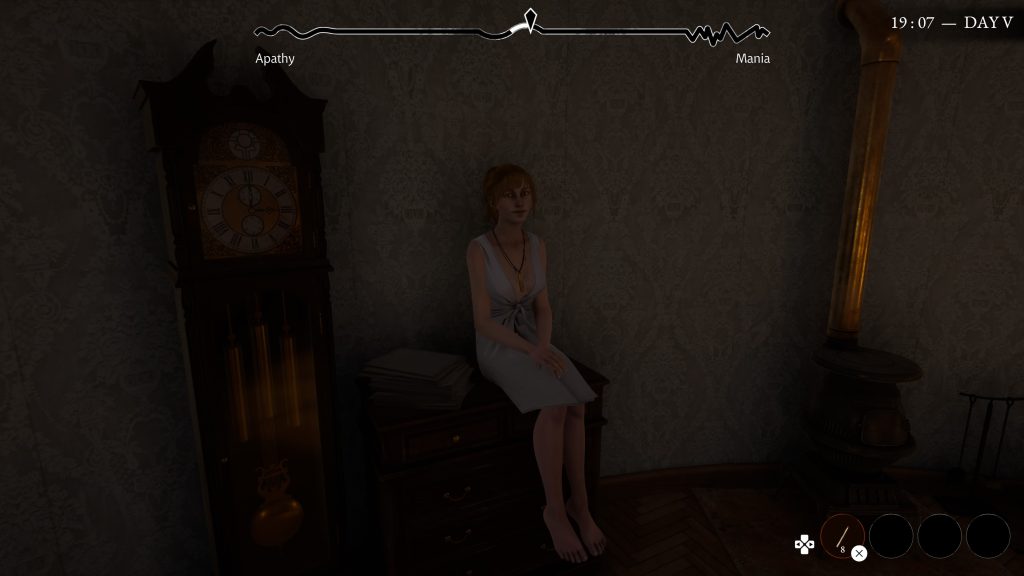
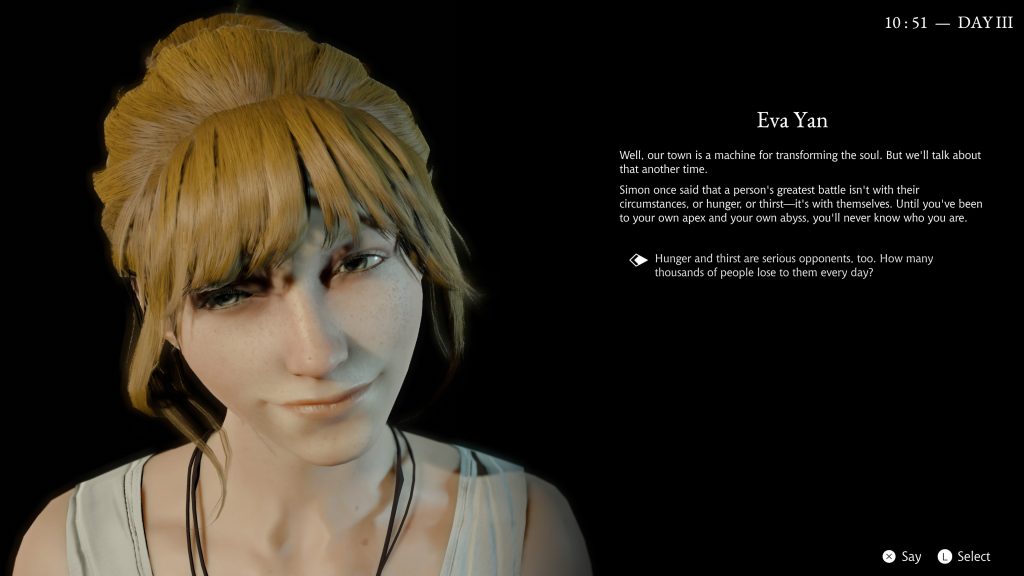
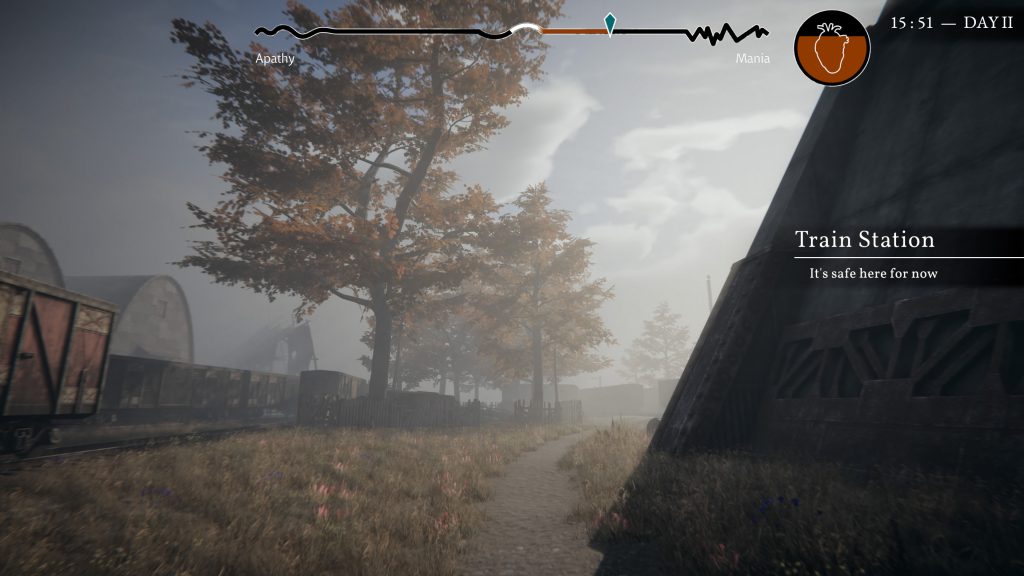
Hunger, thirst, sleep, reputation, money, shops, all that stuff is gone. The Bachelor has all his basic needs met without raising his little finger. What you do have is a HP bar…and also a mood bar. More specifically, a manic-depressive bar. The Bachelor is bipolar and self-medicates with a cocktail of uppers and downers to make it through the day. Oh yes.
On paper, I love this. It sets up the Bachelor as a kind of mercurial genius, far above the base needs of the masses, but whose worst enemy is his own mind. In practice, managing the stupid mood bar requires way too much attention.
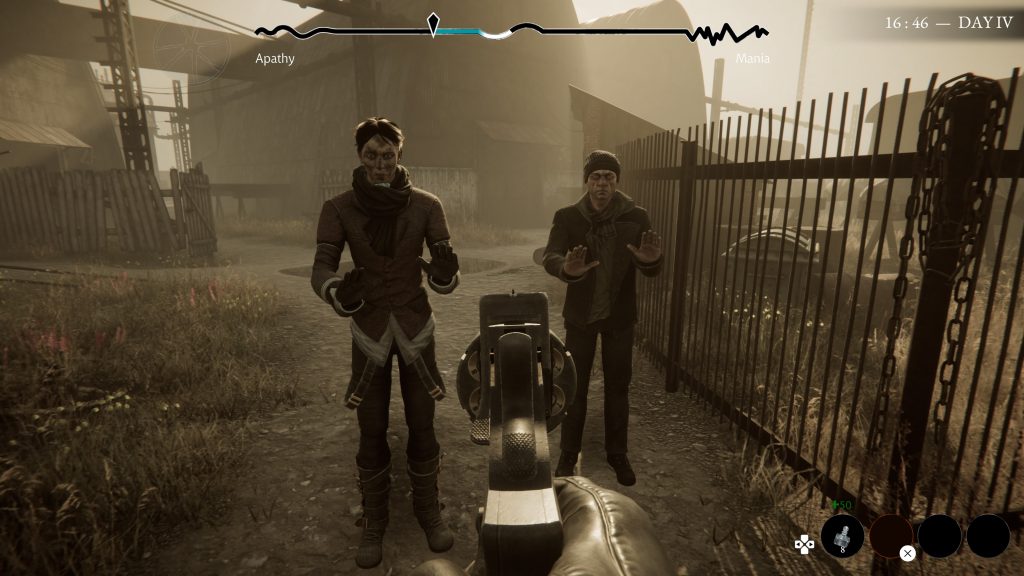
The more manic you are the faster you move, but your health drains constantly. On the other side of the seesaw, being apathetic makes you sluggishly slow. Get too depressed and the Bachelor shoots himself. No, really.
Manic is the “good” state to be in. It’s the productive state of mind. But if you overdo it, it becomes self-destructive. Wait, is this how real bipolars actually feel? Whoah. It may be a really annoying mechanic but I suppose I’ll still count that as a point in Pathologic 3’s favor.
That being said, just to add insult to injury, drugs become permanently less effective over time as your character develops tolerance. If you don’t have drugs, you can alter your mood in a pinch by staring wistfully at abandoned swing sets or taking out your anger on a trash can. A “difficult” conversation can literally kill you if it’s too depressing or too exciting.
I can guarantee you that most of your play time is going to be spent watching that damn bar very closely.
Four. Everything happens in real time in Pathologic 2 and it’s quite hard to complete every quest without prior knowledge.
Would you like to have the chance to go back and complete missed quest lines?
Wish granted.
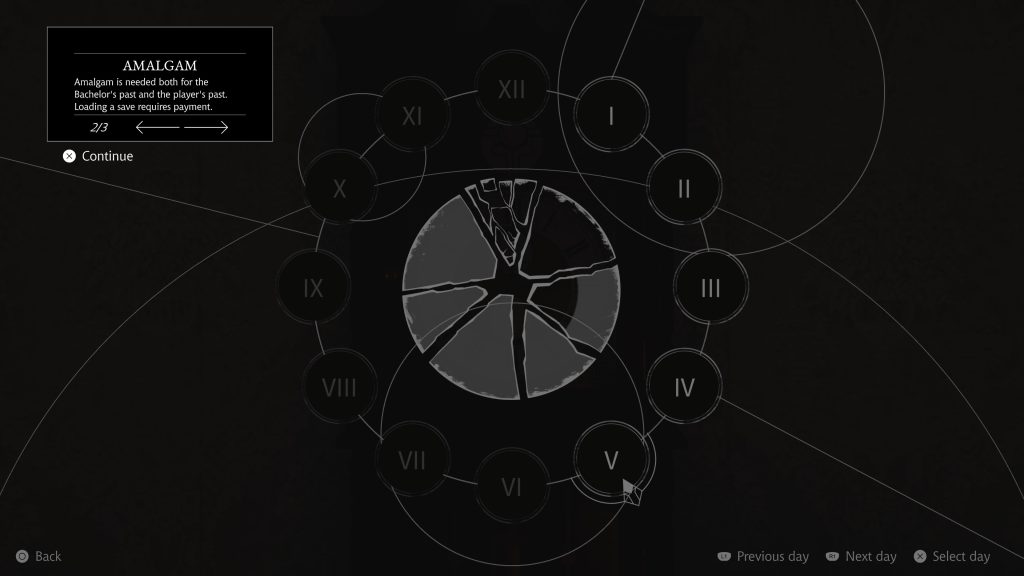
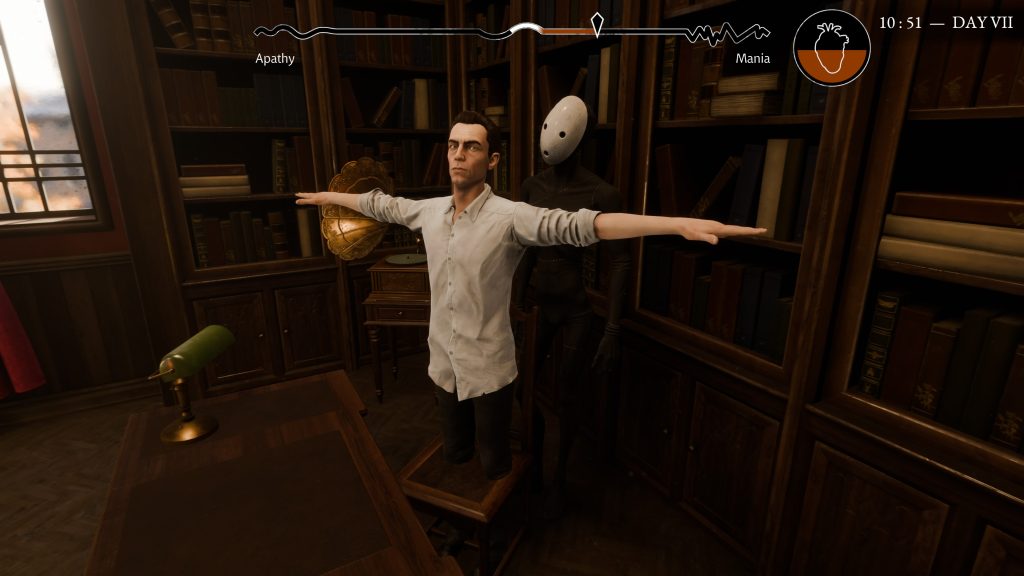
You are now a bona fide time traveler. Now every single day is a discrete series of events you can replay at will. You can even select which quests to alter and which stay completed. Solving the deeper mysteries in the game requires to travel back and forth in time to untangle multiple series of events.
On the other hand…there’s now a lot more to do each day, more than you can do in a single attempt. Also, time travel from day to day requires Amalgam, aka time travel juice, which is a finite resource. Jumping from day to day to follow a specific thread is thus severely punished. As an especially cruel added punishment, your precious time travel juice constantly drains when in an apathetic state.
As I understand it, run out of time travel juice and your save file is eventually wiped permanently.
Pathologic 3 is being advertised as more approachable than its predecessor. I’m not so sure… You can add to those mechanics the fact that consumable items don’t respawn. Some of my items were wiped out by bugs and the flags for progressing some quests are also buggy (the developers have been hard at work quashing bugs, but the jank is still strong.). But you know what, that’s okay. I found a solution: save scumming. You just need to quit back to main menu. In fact, the game is really easy to trick in other ways.
There’s a beautiful irony here. All this design work to streamline, to remove unnecessary irritants, all to end up in roughly the same place. It’s even funnier that the game is preoccupied with the theme of fatalism and refers to The Appointment in Samarra multiple times. In a way, the game is the living embodiment of that tale and it hasn’t even made you read a single line of dialogue yet.
So…those were a lot of words and I’ve barely started talking about the story.
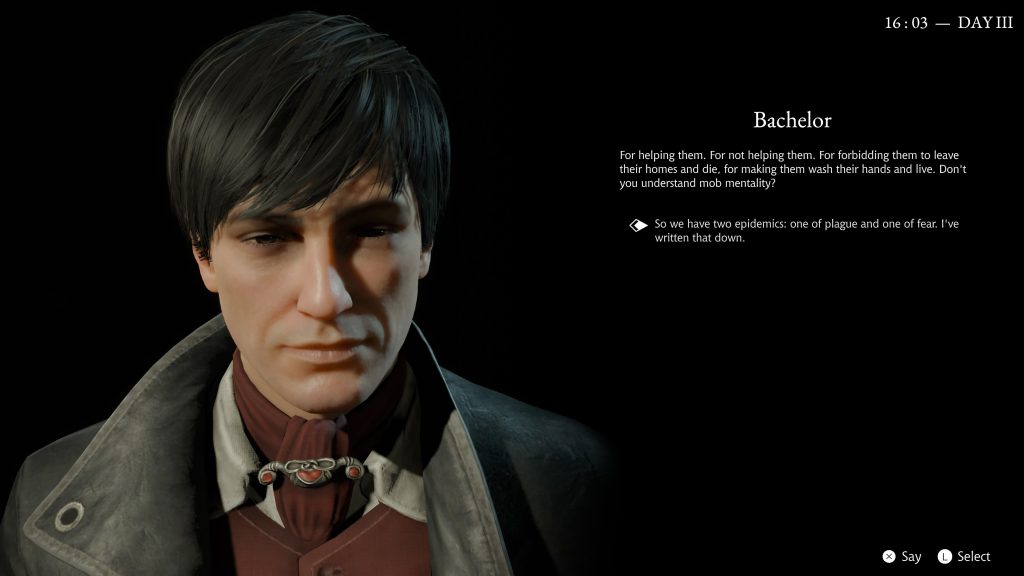
The Bachelor is invited to the Town to study the case of an immortal man. To his disappointment, he soon learns that this man is already dead. For an immortal man, being dead is a pretty disqualifying condition. Then the Sand Plague hits and the pragmatic business of saving lives takes over high-minded science. Or does it?
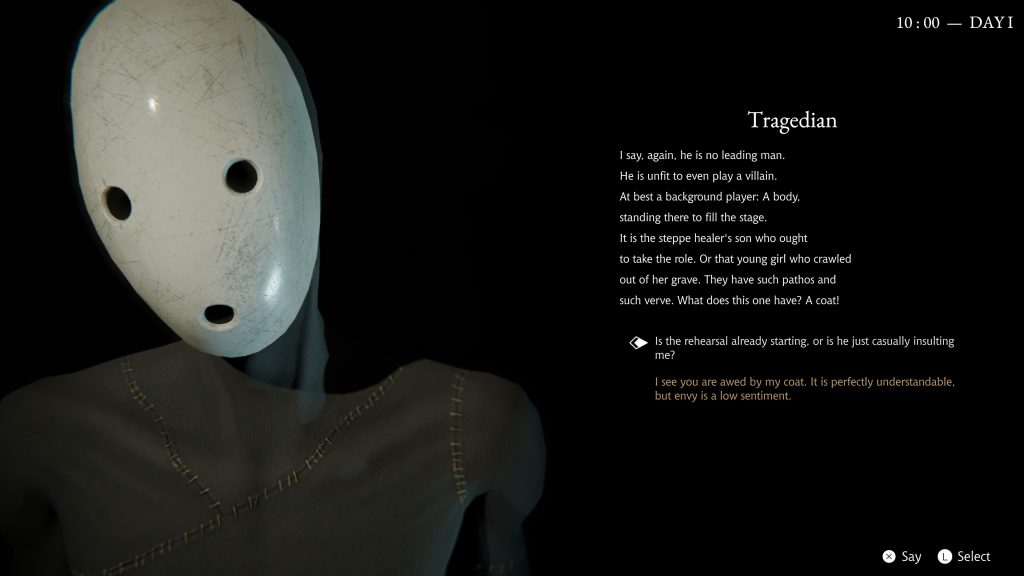
The introduction is pretty hectic. As soon as you step off the train, you are forced to swallow a massive dose of worldbuilding. The Town is plagued by fourth wall breaking mimes. The children are feral and revered in equal measure. They engage in street trade as a quasi-ceremonial activity. The kin are the inhabitants of the surrounding steppe, their beliefs are weird even by the standards of the Town. The Town is ruled by three families and each one has a “Mistress”, a woman with vague supernatural powers of divination. The Polyhedron looms above the entire area, a strange structure that exists despite the laws of physics and is built out of its own blueprints.
If that was not enough, you jump through time five times during the first hour or so. Some of these jumps act as tutorials. Then, the entire game is also framed as an interrogation after the events. Even once you obtain the ability to travel through time, you are not allowed to go back to certain days without establishing relevance.
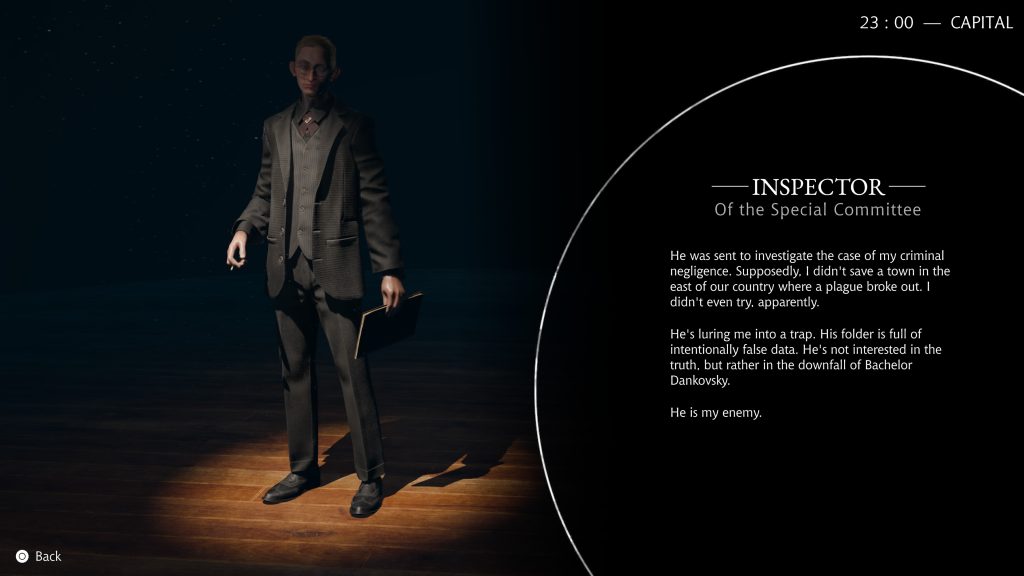
So…is it a story about time travel, a Groundhog Day situation, or a game about an unreliable narrator telling his tale out of order? The answer is yes.
At first, I thought this introduction was much too confusing. Can’t you ease the player into your world gradually? But then I realized that, no, that intro barely covers the basics of the mad world they’ve created. It only gets weirder from there. If you can’t stomach that intro, the rest is not going to make much sense either.
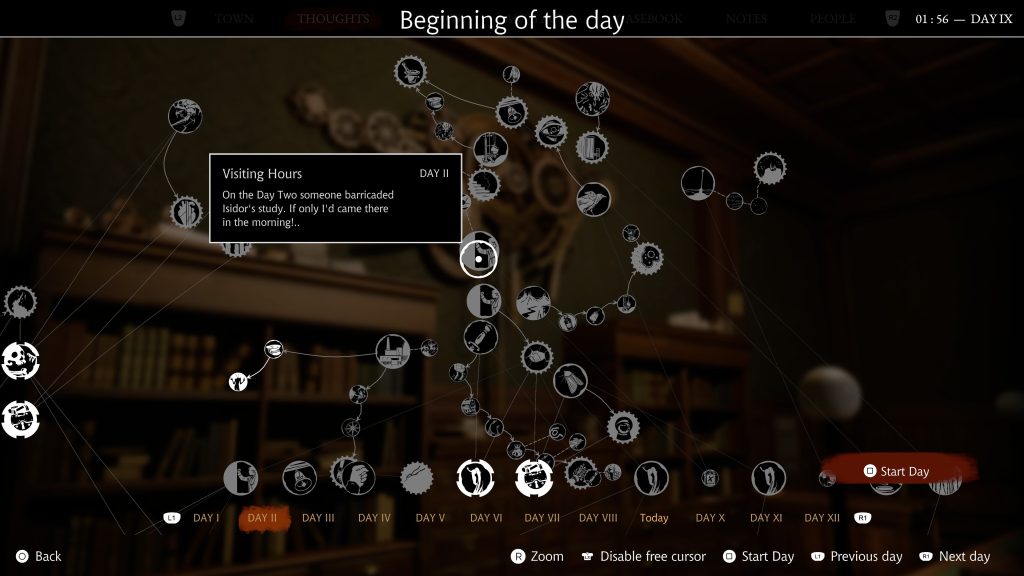
Any way you slice it, half the game is going to be about reading dialogue, the kind where most of your answers make absolutely no difference. At lot of your enjoyment is going to hinge on the fact that you like the writing style or not. Personally, I found that if you pay attention, you’ll be constantly rewarded with nuggets of cleverness. This has already been going on for too long, so here are a few, in point form:
- Pathologic 3 throws at you the deepest plot twists of the previous games within minutes of starting, it’s just that they’re hidden in plain sight by the avalanche of other gobbledygook. But those twists are not what you’re here for this time. Sagely, the writers have come up with brand new revelations that exist in parallel.
- Sometimes the writing catches you unaware and is genuinely funny.
One villager is doubtful that this “Capital” you come from even exists. Steppe women communicating with the earth through their bare feet in an herb-induced trance, now that makes sense, but the “big city”, that’s got to be fake news, right?
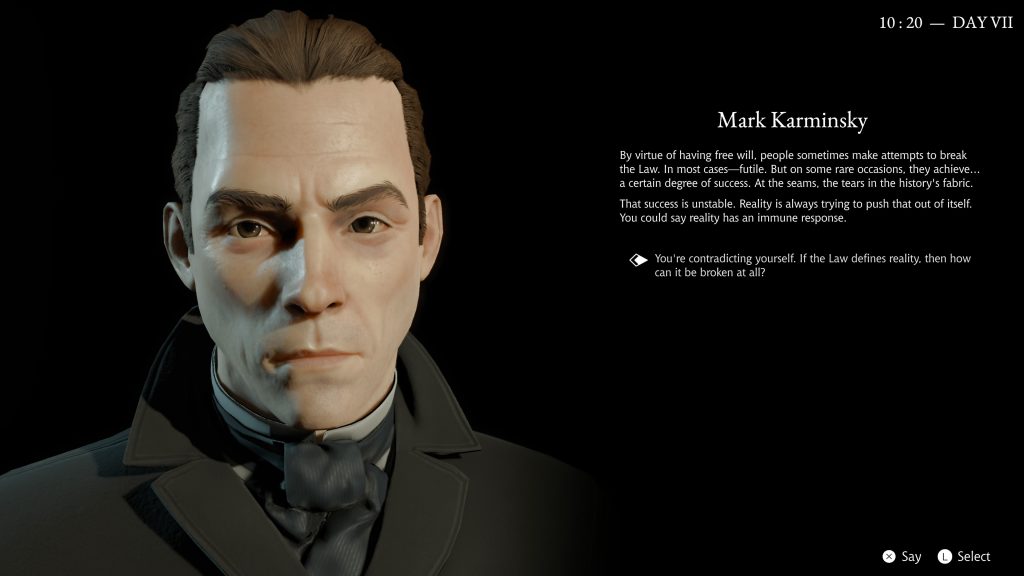
- Time travel tales are a dime a dozen, but I still appreciate how it is presented here. You’re constantly being told about things the Bachelor has done that the player doesn’t know about. You have to “undo” quests that have already been completed the wrong way without your input. When interrogated, one character answers: “I’ve already told you this three days ago, I won’t repeat myself.” You unsuccessfully try to claim an authority you’ll only be granted the next day…oops. Well, someone encourages you, today you failed, but you will do better tomorrow or yesterday.
- Most of the town’s intelligentsia is much more concerned with building stuff that violates the laws of the universe than actually helping anyone. The city’s judge argues that the water tower has to be used for another hare-brained project instead of, you know, building a school in a town that has no school. If you don’t intervene, he gets mobbed to death by the city council over zoning bylaws. It’s the most exquisite end for that character. It’s a shame you’re probably supposed to save him.
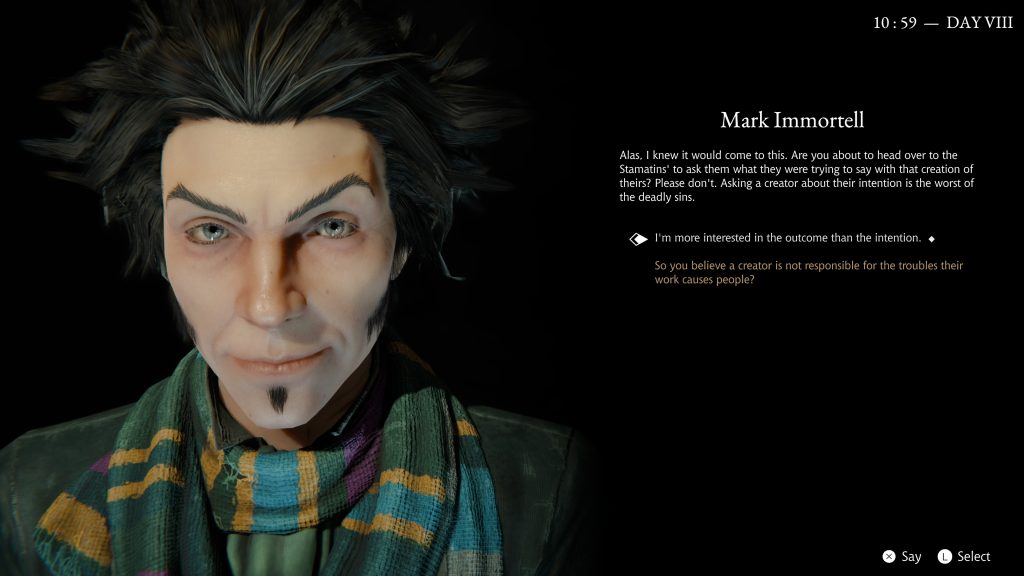
- There’s a quest involving one of the children. He’s facing a dilemma, which basically encapsulates the entire thesis of the game, a kind of mise en abyme situation.
- One character is new to this game. For reasons I won’t get into, he is shown a terrible destiny: a world where he is not in the Town and is replaced by someone else. It’s really hard not to interpret this as the character being shown the events of one of the previous games. That’s some metatextual stuff right there.
I won’t lie, Pathologic 3 has a bunch of flaws…but, but…aw, how could I be mad at you, Pathologic? Look at those rheumy little puppy eyes! If the developers can move to Kazakhstan, I can tolerate a little discomfort. Did Werner Herzog move his entire studio to Kazakhstan to pursue his art? Besides, we are awash in narrative games where the player’s input is inconsequential and AAA open worlds terrified to push back against the players. Pathologic 3 manages to thread the needle of being both narrative-heavy and mechanically complex. It’s a shame the game has been fine-tuned by the devil (but, like the devil in many stories, it is surprisingly easy to trick).
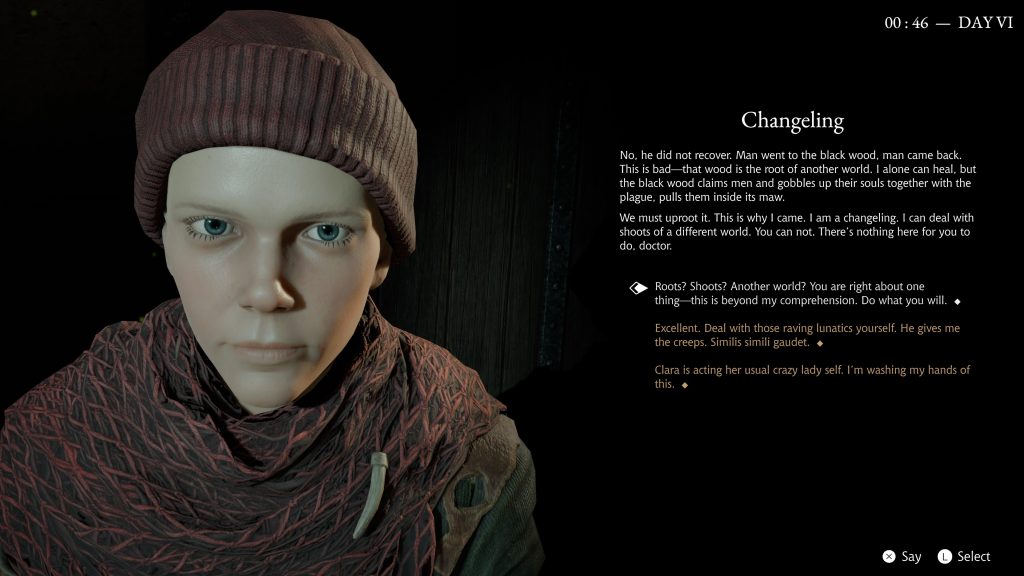
In conclusion, you should buy Pathologic 3. It’s probably going to be a cult classic, so why not get in on the ground floor? You won’t like it though, or maybe you will, what do I know? I just want Ice-Pick Lodge to have enough money to make “Pathologic 4” and finish their triptych (please don’t call it a trilogy). We still don’t know about the third character: the Changeling. It’s not like I’m going to go back and play the original. You can probably fit inside a minivan all the players who have actually completed her story. So what’s the deal with the Changeling? Was she really born on the first day of the plague? To heal someone, she has to hurt someone else equally, how does that work? Can she really be two persons at once, as some claim? Perhaps more interestingly, how can you design a completely different experience around those concepts? Besides, if you don’t give the developers any money, who knows where they’ll have to finish the last game from?

Pathologic 3
Rating:
PC
A fascinating plague doctor survival sim that trades all the flaws of its predecessor for brand new ones.
